
Understanding Shortage in Today’s World
Shortage in 2026: Why Airline Flight Cancellations and Fuel Prices Are Rising.Let me explain this like I would to a close friend.
You walk into a shop expecting your usual items—but they’re not there. Or you check flight tickets, and suddenly prices are high or flights are gone. That feeling of “something missing” is what we call a shortage.
In the simple terms of shortage means demand is higher even supply. More people want something, but there is not enough available.
Now in 2026, this isn’t just happening with small items. It’s happening with big systems—especially fuel prices and airline flight cancellations.
And the truth is, everything is connected.
Why Shortage Feels Worse Than Before
shortage has always existed. But now it IS feels more intense.
Why?
Because of the world is more connected than ever.
If the fuel supply is affected in one region, it impacts transportation globally. If airlines struggle with costs, flights get cancelled across multiple countries.
so instead of the one small issue, we now see a chain reaction.
Think of it is like this:
One missing piece → entire system disturbed
That’s why shortage today feels like a bigger problem.
The Real Meaning of Shortage in Daily Life
Let’s make this practical.
Shortage is not just about products. It affects your routine.
You might notice:
- Petrol prices suddenly increase
- Delivery services become expensive
- Flights are the delayed or cancelled
- Grocery bills feel heavier
All of this is connected to shortage.
It’s not random—it’s a system issue.
How Fuel Prices Are Driving Everything
If there’s one thing controlling most of the situation, it’s fuel prices.
Fuel is like the engine of the economy.
- Trucks use fuel to deliver goods
- Planes use fuel to fly
- Factories use fuel to produce

How Fuel Prices Are Driving Everything
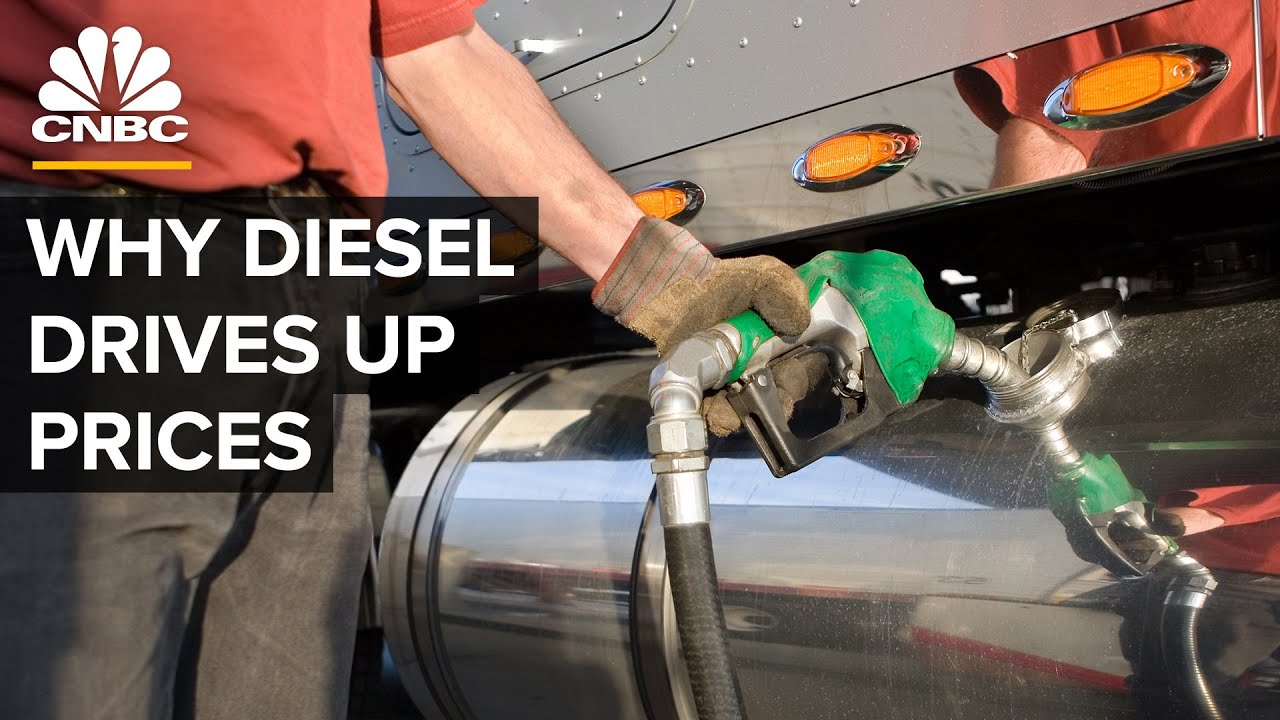
Now imagine fuel becoming expensive or limited.
Everything becomes expensive.
That is why even if you do not travel, you still feel the impact.
The Airline Flight Cancellations Explained to Simply
Let’s talk about something people experience directly—airline flight cancellations.
Imagine this situation:
you pack the bag
You plan a trip. You reach the airport.
And then you hear:
“Your flight has been cancelled.”
It’s frustrating.
But it’s not always bad management. Shortage in 2026:
Sometimes, it’s because airlines cannot afford to run that flight.
Why flights get cancelled:
- High fuel prices
- Low passenger demand
- Staff shortages
- Operational costs
Airlines try to reduce losses. So they cancel flights that are not profitable.
How Shortage Creates a Chain Reaction
Shortage doesn’t stay in one place.
It spreads.
Let’s connect it step by step:
Fuel shortage → higher fuel prices
Higher fuel prices → expensive transport
Expensive transport → higher product cost
Higher cost → people buy less
Less buying → businesses struggle
This is called a domino effect.
One issue creates many problems.
The Real-Life of Example You Can Relate To
Let’s go to say you run a small business.
You sell clothes.
Now:
- Delivery charges increase
- Supplier increases prices
- Customers want cheaper products
You’re stuck in the middle.
That’s how shortage affects real people—not just big companies.
The Hidden Global Web Behind Shortage
Let’s go even deeper—because this is where things start to make real sense.
Shortage today is not just local.
It’s global.
Imagine the world like a giant web.
If one thread breaks… the tension spreads everywhere.
Example:
- Oil production slows in one region
- Fuel prices rise globally
- Airline flight cancellations increase
- Transport becomes expensive
And suddenly, even a small town feels the impact.
That’s how connected the modern world is.
Why “Just Increase Supply” Is Not That Simple
A common question people ask:
“Why don’t companies just produce more?”
Sounds easy… but it’s not.
Reasons:
- Production needs time
- Raw materials may also be in shortage
- Labor availability can be limited
- Costs may be too high
So even if demand increases quickly…
Supply cannot catch up instantly.
That gap creates shortage.
The Role of Storage and Hoarding
Here’s something interesting.
Sometimes, shortage is not just real—it’s also created by behavior.
When people expect shortage:
- They start storing extra
- Businesses hold inventory
- Suppliers delay selling for better prices
This reduces availability in the market.
And suddenly, shortage becomes worse.
Urban vs Rural Impact of Shortage
Not everyone experiences shortage the same way.
In cities:
- Fuel prices affect daily commuting
- Airline flight cancellations affect travel plans
- Food prices rise quickly
In rural areas:
- Transport delays affect supply
- Farming costs increase
- Access to goods becomes limited
Different places… same root problem.
How Shortage Affects Education
You might not think about this—but it does.
Example:
- Students traveling abroad face airline flight cancellations
- Increased fuel prices raise transport costs to schools
- Families cut education budgets due to financial pressure
Even learning gets affected.
The Business Pricing Game During Shortage
Businesses don’t just randomly increase prices.
They calculate carefully.
They consider:
- Cost of fuel
- Supply availability
- Customer demand
- Competitor pricing
If costs increase, prices increase.
It is not always to greed—it’s survival.
Why the Some Products Disappear Suddenly
Have you ever noticed?
One day a product is everywhere… next day it’s gone.
That’s shortage in action.
Possible reasons:
- Raw material shortage
- Import delays
- High demand spike
- Production halt
And when supply stops—even briefly—it creates a gap.
Shortage and Seasonal Demand
Sometimes shortage is temporary.
It happens during peak demand.
Example:
- Travel seasons → more airline flight cancellations risk
- Winter → higher fuel demand
- Festivals → increased product demand
During these times, shortage becomes more visible.
How Technology Companies Handle Shortage
Big tech companies are smart.
They prepare in advance.
Strategies:
- Bulk purchasing
- Long-term contracts
- Alternative suppliers
- Predictive data systems
That’s why they survive better than small businesses.
The Role of Data in Managing Shortage
Today, data is powerful.
Companies use data to:
- Predict demand
- Adjust supply
- Reduce waste
- Optimize pricing
This helps reduce the impact of shortage.
But it doesn’t eliminate it completely.
Transportation Costs: The Silent Price Multiplier
Let’s highlight something important.
Transport cost is a hidden factor.
When fuel prices rise:
- Truck delivery becomes expensive
- Shipping costs increase
- Air cargo becomes costly
This cost is added to the product price.
So even if the product itself is cheap…
It becomes expensive when it reaches you.
The “Delay Economy” Created by Shortage
We are slowly entering what you can call a “delay economy.”
Where:
- Deliveries take longer
- Flights are rescheduled
- Services are slower
Because systems are under pressure.
And delay becomes normal.
How Shortage Affects Imports and Exports
Global trade is heavily impacted.
When shortage happens:
- Imports slow down
- Export costs increase
- Trade balances shift
Countries start focusing more on local production.Shortage in 2026:
Why Local Businesses Are Becoming Important Again
Because of global shortages, local businesses are gaining value.
Why?
- Less dependence on long supply chains
- Faster delivery
- Lower transport costs
This is a big shift happening right now.
Financial Planning in a Shortage Economy
Let’s talk real life again.
Money management is now more important than ever.
Smart moves:
- The Keep emergency savings
- Avoid to unnecessary loans
- Track expenses regularly
- Prepare for price changes
Because financial stability gives you control.
The Emotional Buying Trap
Shortage creates urgency.
And urgency leads to emotional buying.
Example thoughts:
- “What if this runs out?”
- “Better buy now before price increases”
But this often leads to overspending.
Stay logical.
How Governments Try to Balance the Situation
Governments use different tools.
Such as:
- Price control policies
- Fuel subsidies
- Import adjustments
- Supply monitoring
But they are balancing a complex system.
So results are not always immediate.
The Long-Term Economic Shift
Shortage is reshaping economies.
Changes happening:
- Shift toward renewable energy
- Growth in digital economy
- Increased local production
- Smarter consumption habits
This is not temporary.
It’s a transformation.
Why Awareness Is Your Biggest Advantage
Most people react late.
Smart people prepare early.
If you understand shortage:
- You make better decisions
- You avoid panic
- You manage money wisely
Knowledge gives control. and Shortage in 2026:
A Simple Daily Life Strategy
Let’s keep it practical.
Daily habits to follow:
- Check fuel prices weekly
- Plan travel in advance
- Avoid to unnecessary expenses
- Stay the updated with market trends
These are small habits make a big difference.
Final Extended to Wrap-Up (Human Talk)
If I explain everything in one simple line:
Shortage is not just about “less supply.”
It’s about how everything around you changes because of it.
Fuel prices rise → life becomes expensive
Airline flight cancellations increase → travel becomes uncertain
Supply slows → availability decreases
But here’s the key:
You don’t need to fear it.
You just need to understand it.
Because once you understand how shortage works…
You stop reacting—and start planning.
And that’s where real control begins.
Why Prices Keep Increasing
People often ask:
“Why is everything getting expensive?”
The answer is simple.
Shortage increases prices.
When the something is limited, its value goes up.
Think to about it:
If only 5 tickets are the left for a flight, prices increase.
Same with fuel. Same with goods.
It is basic demand and supply.
In addition Impact on Travel and Tourism
Travel has changed a lot.
Earlier, you could book a flight easily.
Now:
- Tickets are expensive
- Flights are less reliable
- Airline flight cancellations are more common
This affects:
- Tourists
- Business travelers
- Families planning trips
Travel now requires planning, not just booking.
How Shortage Affects Jobs
This is something many people don’t realize.
When shortage increases:
- Companies reduce operations
- Airlines cut flights
- Transport slows down
And eventually:
Jobs are affected.
Example:
If flights are cancelled:
- Airport staff work less
- Travel agencies lose business
- Hotels get fewer bookings
So shortage indirectly affects income. Shortage in 2026:
The Link Between Shortage and Inflation
Let’s connect two important ideas.
shortage leads to inflation.
When supply is low and demand is the high, prices increase.
This is exactly what is the happening with fuel prices.
And once fuel becomes expensive:
- Food becomes expensive
- Travel becomes expensive
- Daily life becomes expensive
Everything connects.
Why Supply Chains Are Breaking
Supply chain sounds complicated, but it’s simple.
It’s just how products reach you.
Factory → transport → shop → customer
Now imagine a problem:
- Fuel shortage stops trucks
- Airline flight cancellations delay cargo
- Imports slow down
Result?
Empty shelves.
How People React to Shortage
People don’t stay calm during shortage.
They react.
Common behaviors:
- Buying more than needed
- Switching to cheaper options
- Avoiding travel
- Saving more money
This is natural.
But sometimes, panic makes things worse.
Smart Ways to Handle Shortage
Let’s talk solutions.
What can you do?
Plan Ahead
Do not wait the until the last moment.
the Spend Smart
Focus on needs, not wants.
Travel Wisely
Check flight status before leaving.
The Avoid Panic Buying
Buy what can you need not what you fear losing.
Small steps—but very effective.
Opportunities Hidden in Shortage
Here’s something interesting.
Shortage is not only negative.
It creates opportunities.
For example:
- Demand for fuel-efficient vehicles increases
- Online work becomes popular
- Local businesses grow
So while some sectors struggle, others grow.
The Future of Shortage and Shortage in 2026:
Let’s be realistic.
Shortage will not disappear overnight.
But things may improve with:
- Better technology
- Alternative energy
- Improved supply systems
Still, some level of shortage will always exist.
Internal Linking Suggestions
To improve your website SEO, you can link this article with:
- Budget travel tips guide
- Fuel saving strategies
- Online income ideas
- Beginner economic concepts
This improves user experience and ranking.
FAQ Section
What is the shortage in simple words?
The shortage means to demand is higher than supply, causing limited availability.
Why are the airline flight to cancellations increasing?
Because of the high fuel prices operational costs and reduced demand.
How do the fuel prices affect daily life?
They increase transportation costs, which raises prices of most products.
Can shortage be controlled?
It can be managed but not completely removed.
Why do prices rise during shortage?
Because limited supply increases value.
Conclusion: What You Should Remember
Here’s the simple truth.
Shortage is not just an economic term. Shortage in 2026:
It’s something you experience every day.
From fuel prices to airline flight cancellations, everything is connected.
But the key is not to panic.
The key is to understand and adapt.
Good plan
The Spend smarter.
Is Stay informed.
Because today in world, the people who adapt are the ones who stay ahead.
Shortage in the 2026:
More Read