
Forex Trading Leverage Explained (2026 Guide for BeginnersIf you’ve ever heard someone say, “I made big profit in forex with small money,” chances are — they were using leverage.
But here’s the truth…
The Leverage is powerful — and dangerous at the same time.
Think of it is like this:
It can make you rich faster
But it can also wipe your account in minutes
So before you jump into forex trading, you must understand leverage properly.
Let me explain it to you like I’m explaining to a friend — simple, real-life, and practical.
What Is the Leverage in Forex Trading?
Leverage in forex trading means:
Borrowing money from your broker to trade bigger positions than your actual balance
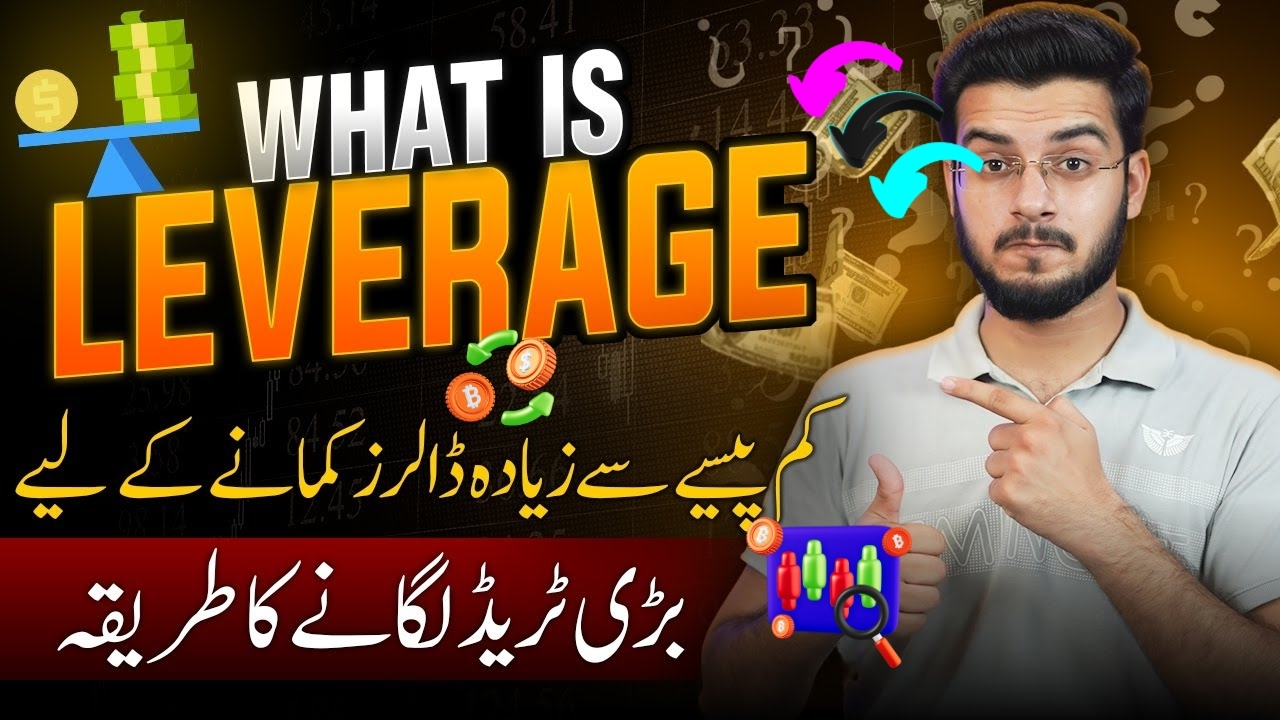
In the simple words:
You control more money even you actually have.
Real-Life for Example (Easy to Understand)
Imagine in this:
You have to $100 in your account.
Your broker for gives you 1:100 leverage.
That means:
You can trade like you have $10,000
Now think:
You are a small shopkeeper, but someone gives you a huge warehouse to sell goods.
Sounds powerful, right?
That’s exactly what leverage does.
How Does Leverage Work?
Let’s break it step by step:
- You deposit money → called margin
- Broker multiplies it → gives you buying power
- You open trades → bigger than your real balance
Simple Formula
Leverage Ratio = Total Trade Size / Your Money
Example:
- Your money is = $100
- Trade of size = $10,000
The Leverage = 1:100
Understanding Leverage Ratios (Important)
Different brokers offer different leverage levels:
- 1:10 → Low leverage (safe)
- 1:50 → Moderate
- 1:100 → Common
- 1:500 → High (risky)
- 1:1000 → Very dangerous
Easy Way to Think
- Low leverage = slow but safe
- High leverage = fast but risky
Why Do Traders Use Leverage?
Good question.
Why not just trade with your own money?
Because:
Forex price movements are small
Without leverage, profits are very slow
Example Without Leverage
You invest $100
Market moves 1%
Profit = $1
Example With 1:100 Leverage
You control $10,000
Market moves 1%
Profit = $100
Now you see the difference?
Forex Trading Leverage
But Here’s the Dangerous Side
Leverage works both ways.
If profit multiplies…
Loss also multiplies
Loss Example
Using same 1:100 leverage:
Market goes against you by 1%
You lose $100
Your account = ZERO
This is why beginners lose money.
Not because forex is bad…
But because they misuse leverage.
What Is Margin in Forex?
To understand leverage, you must understand margin.
Margin = Your money used to open a trade
Example
- You have $1000
- You open trade using $100
That $100 = margin
The rest is controlled using leverage.
Margin Call & Stop Out (Very Important)
This is where most beginners get shocked.
Margin Call
When your losses reach a certain level:
Broker warns you
“Add more money or close trades”
Stop Out
If you don’t act:
Broker automatically closes your trades
To prevent further loss
Real-Life Comparison
It’s like:
You borrowed money to run a business.
If losses increase:
Bank takes back control
Types of Leverage Strategies
Not all traders use leverage the same way.
1. Conservative Traders
- Use time is 1:10 or 1:20
- Focus on the long-term growth
- The Low risk
2. Moderate Traders
- Use time is 1:50 to 1:100
- Balanced approach
3. Aggressive Traders
- Use 1:500 or higher
- High risk, high reward
- Mostly beginners (mistake)
Common Mistakes Beginners Make
Let me save you from common traps:
Using Maximum Leverage
Just because broker offers 1:1000…
Doesn’t mean you should use it
Overtrading
Opening too many trades
- Account drains fast
No Stop Loss
Trading without safety
One move = account gone
Emotional Trading
Fear + Greed = Loss
How to Use Leverage Safely
Now the important part.
Use Low Leverage
Start with:
1:10 or 1:20
Risk Small Per Trade
Only risk:
1% to 2% of your account
Always Use Stop Loss
This protects your money.
Focus on Consistency
Small profits daily
Better than gambling
Leverage vs Lot Size (Important Concept)
Many beginners confuse this.
Leverage = Power
Lot Size = Trade Size
Example:
- Leverage gives ability
- Lot size decides risk
Even with high leverage, you can stay safe
Forex Trading Leverage
If your lot size is small
Is High Leverage Ever Good?
Yes — but only if:
- You are experienced
- You manage risk properly
- You don’t overtrade
Professional traders:
Use leverage carefully
Not emotionally
Psychology Behind Leverage
This is something most people ignore.
Why People Lose with Leverage?
Because:
They want quick money
They overestimate skills
They ignore risk
Leverage doesn’t destroy accounts…
Wrong mindset does
Best Leverage for Beginners (2026 Recommendation)
If you are starting:
Use time 1:10 or 1:20
After experience:
Move to 1:50
Avoid:
1:500+ (early stage)
Internal Linking Suggestions
To improve SEO and ranking, you can internally link this article to:
- “What is Forex Trading (Beginner Guide)”
- “Forex Risk Management Strategy”
- “How to Read Forex Charts”
- “Best Forex Trading Strategies 2026”
- “Forex Trading Psychology Guide”
The some Google Trending Keywords (2026)
Use these naturally in your blog:
- forex leverage explained
- what is leverage in forex trading
- best leverage for beginners
- forex margin and leverage
- is leverage good in forex
- forex trading risk management
FAQ – Forex Trading Leverage
What is leverage in forex trading in simple words?
Leverage means borrowing money from a broker to trade larger positions than your actual balance.
Is leverage good or bad?
Leverage is a tool.
Good if used wisely
Dangerous if misused
What is the best leverage for beginners?
1:10 to 1:20 is safest for beginners.
Can you lose more than your deposit?
In most modern brokers:
No (negative balance protection)
But always check broker rules.
Why do brokers offer high leverage?
Because:
- It increases trading activity
More trades = more broker profit
The Conclusion (Key Takeaways)
Let’s keep it is the simple:
- Leverage = powerful tool
- It multiplies profit AND loss
- Beginners should use low leverage
- Risk management is more important than profit
Think of leverage like a knife:
- In a chef’s hand → useful
- In a careless hand → dangerous
If you learn it properly…
It can help you grow fast
If you ignore it…
It can destroy your account in one trade
How Leverage Affects Your Trading Psychology
Most beginners think leverage is just a technical tool.
But in reality…
Leverage directly controls your emotions
Example
When you trade with low leverage:
- Small price moves
- Small profit/loss
- You stay calm
But with high leverage:
- Fast profit
- Faster loss
- Panic + greed increase
This leads to:
- Overtrading
- Revenge trading
- Breaking your strategy
Simple Truth
The higher the leverage, for the harder it is to stay disciplined
The Leverage and Volatility (Very Important)
Not all market conditions are the same.
Sometimes the market is calm…
Sometimes it moves aggressively.
What Happens With High Leverage in Volatile Markets?
- Price moves fast
- Stop loss gets hit quickly
- Account wipes faster
Real-Life Example
Think of driving:
- Slow road → safe
- Highway at high speed → risky
High leverage in a volatile market = speeding on a highway
Leverage in Different Forex Pairs
Different currency pairs behave differently.
Major Pairs (Safer)
- EUR/USD
- GBP/USD
- USD/JPY
- Lower volatility
Safer with moderate leverage
Exotic Pairs (Risky)
- USD/TRY
- USD/ZAR
High volatility
Dangerous with high leverage
Smart traders adjust leverage based on the pair.
Leverage vs Risk Management (Core Concept)
Here’s something most beginners misunderstand:
Leverage itself is not risk
How you use it is risk
Example
Two traders:
Trader A
- The Leverage: 1:500
- Lot size: small
Safe
Trader B
- Leverage: 1:50
- Lot size: big
Risky
So always remember:
Lot size + stop loss = real risk
Position Sizing with Leverage
Professional traders don’t guess.
They calculate.
Basic Rule
Never risk more than:
1%–2% per trade
Example
Account = $1000
Risk per trade = 1%
Max loss = $10
Even if you use leverage…
You control your risk with position size
Leverage in Scalping vs Swing Trading
Different strategies use leverage differently.
Scalping (Short Trades)
- Small profit targets
- Fast trades
Uses higher leverage (carefully)
Swing Trading (Long Trades)
- Bigger price moves
- Longer duration
Uses lower leverage
Beginners should avoid scalping with high leverage.
Hidden Cost of Leverage (Spread & Swap)
Many people ignore this.
Spread Cost
When you open a trade:
You pay a small fee (spread)
With bigger positions (due to leverage):
Spread cost increases
Swap Fee (Overnight Charges)
If you hold trades overnight:
Broker charges interest
High leverage = higher hidden costs
Leverage and Account Survival
The goal is not just profit.
- The goal is to stay in the game
Golden Rule
- Protect your capital first, profit later
Why Most Traders Fail
Because:
- They use high leverage
- They chase fast money
- They ignore risk
Result:
Account blown in days
Demo Account vs Real Account (Leverage Effect)
Here’s something interesting:
On Demo Account
- No real emotions
- Easy to use high leverage
- Big profits (fake confidence)
On Real Account
- Fear kicks in
- Loss feels painful
- Mistakes increase
That’s why many beginners succeed in demo…
But fail in real trading
Leverage Regulations (2026 Update)
Different countries have different rules.
Strict Regions
- Europe (ESMA rules)
Max leverage: 1:30
The Flexible Regions
- Offshore for brokers
Offer time is 1:500 to 1:1000
Higher leverage often means:
Forex Trading Leverage
Less regulation + more risk
Choosing the Right Broker for Leverage
Don’t just look at high leverage.
Look at:
- The Regulation
- Is Negative Balance Protection
- Low spreads
- Fast execution
A safe broker is more important than high leverage.
Advanced Tip: Effective Leverage
This is what professionals focus on.
What Is Effective Leverage?
Actual exposure you are using
Example
Account = $1000
Trade size = $2000
Effective leverage = 1:2
Even if broker gives 1:500…
You are only using 1:2
This is how professionals stay safe.
Leverage in News Trading
During major news:
- Market moves very fast
- Spikes happen
Risk with Leverage
- Slippage
- Stop loss not respected
- Huge losses
Beginners should avoid high leverage during news events.
Compounding with Leverage (Smart Growth Strategy)
Instead of risking big…
Smart traders grow slowly
Example
- Start with $100
- Grow 5% monthly
- Reinvest profits
Over time:
Small leverage + consistency = big results
Biggest Myth About Leverage
Let’s clear this:
Myth:
“High leverage = fast success”
Reality:
“Controlled leverage = long-term success”
Final Extended Takeaway
If you remember only one thing, remember this:
- everage doesn’t make you profitable
Discipline does
Most beginners lose because:
- They chase big trades
- They ignore risk
- They misuse leverage
But smart traders:
- Use low leverage
- Focus on consistency
- Protect capital
Forex is not a shortcut to money
It’s a skill
And leverage…
Is just a tool in that skill
Advanced Leverage Concepts Every Trader Must Know
At beginner level, leverage feels simple.
But at advanced level…
It becomes a precision tool
Dynamic Leverage Adjustment
Professional traders don’t use fixed leverage.
They adjust it based on:
- Market conditions
- Trade setup quality
- Risk level
Example
- Strong setup → slightly higher exposure
- Weak setup → very low exposure
This is called adaptive leverage
Leverage and Drawdown Management
Drawdown = loss from your peak balance
Example
- Account = $1000
Drops to $800
Drawdown = 20%
Now here’s the key:
High leverage increases drawdown speed
Pro Rule
If your drawdown hits:
- 10% → reduce risk
- 20% → cut leverage
- 30% → stop trading temporarily
This protects your account from collapse
Risk of Ruin (Professional Concept)
This is where trading becomes serious.
What Is Risk of Ruin?
Probability that your account hits zero
Important Truth
- High leverage = high risk of ruin
- Low leverage = long survival
Professionals don’t aim for fast growth
They aim for zero risk of ruin
Leverage and Trade Expectancy
Now we go deeper.
What Is Expectancy?
Average profit per trade over time
Formula Idea (Simple)
Expectancy depends on:
- Win rate
- Risk-reward ratio
Leverage doesn’t change expectancy
It only magnifies outcomes
Example
Good strategy + bad leverage
Still fail
Bad strategy + high leverage
Faster failure
Correlation Risk with Leverage
Most beginners don’t know this.
What Is Correlation?
Some currency pairs move together.
Example
- EUR/USD
- GBP/USD
Often move in same direction
Forex Trading Leverage
Danger
If you open trades on both with leverage:
You are doubling your risk
This is called hidden leverage
Leverage and Liquidity Conditions
Liquidity = how easily trades are executed
Low Liquidity Times
- Market open/close
- Holidays
Problem
With high leverage:
- Slippage increases
- Execution worsens
Result = unexpected losses
Advanced Position Scaling with Leverage
Instead of entering full trade at once:
Professionals scale positions
Example Strategy
- Enter small position
- Add more if trade goes right
- Reduce if market weakens
This controls leverage dynamically
Leverage and Risk-Reward Optimization
Most beginners focus on win rate.
Pros focus on:
Risk vs reward
Example
- Risk $10
- Target $30
1:3 ratio
Now with leverage:
You can maintain small risk but increase reward potential
Capital Efficiency with Leverage
This is where leverage becomes powerful.
Without Leverage
You need large capital
With Smart Leverage
You can:
- Trade efficiently
- Use smaller capital
- Diversify trades
This is how hedge funds think
Over-Leveraging Trap (Silent Killer)
This destroys most accounts.
Signs of Over-Leveraging
- Large lot sizes
- No proper stop loss
- Fast equity swings
- Emotional stress
If your account feels like gambling…
You are over-leveraged
Leverage and Trading Edge
Your edge = your advantage
Important Truth
Leverage cannot create an edge
Only these create edge:
- Strategy
- Discipline
- Risk management
Leverage only:
Amplifies your edge (or your mistakes)
Time-Based Leverage Control
Advanced traders adjust leverage based on time.
Example
- During major sessions → normal leverage
- During uncertain time → reduce exposure
This improves survival rate
Leverage in Multi-Trade Portfolios
Professionals don’t rely on one trade.
They:
- Open multiple small trades
- Spread risk
- Avoid concentration
This reduces dependency on one outcome
Stress Testing Your Leverage Strategy
Before using real money:
Test worst-case scenarios
Ask Yourself
- What if 5 trades lose in a row?
- Can my account survive?
If answer is NO:
Your leverage is too high
Leverage and Emotional Stability Index
Advanced traders measure stress.
Simple Check
If you feel:
- Fear watching charts
- Anxiety during trades
- Urge to close early
Your leverage is too high
Smart Leverage Formula (Pro Rule)
Here’s a practical guideline:
Account Risk % × Number of Trades = Total Exposure
Example:
- Risk per trade = 1%
- 3 trades open
Total exposure = 3%
Keep total exposure under 5%
Institutional Mindset vs Retail Mindset
Retail Traders
- Use high leverage
- Chase fast profit
- Ignore risk
Institutional Traders
- Use controlled leverage
- Focus on consistency
- Protect capital
That’s the difference between losing and winning
Leverage and Long-Term Wealth Building
This is the final mindset shift.
Wrong Thinking:
“Let me double my account quickly”
Right Thinking:
“Let me grow steadily for years”
Example
- 5% monthly growth
- Compounded
Can outperform risky trading over time
Ultimate Pro Takeaway
Leverage is not your enemy.
Misusing it is.
If you treat leverage like:
A shortcut → you lose
If you treat leverage like:
A tool → you grow
Final Rule
Control leverage, or leverage will control you
Leverage Timing Precision (Entry Efficiency Concept)
At advanced level, success is not just about direction.
It’s about timing accuracy
Why This Matters
Higher exposure with poor timing:
Even correct analysis → loss
Professional Approach
- Wait for confirmation
- Enter at key levels
- Use tight stop placement
good timing = less exposure needed
Volatility-Based Exposure Control
Instead of fixed ratios, experts read volatility first.
High Volatility Phase
- Reduce position size
- Expand stop distance
Low Volatility Phase
- Increase efficiency
- Tighter stops possible
Exposure must follow market behavior, not ego
Equity Curve Stabilization Technique
Advanced traders monitor their equity curve like a business graph.
Objective
Smooth, consistent growth
How It’s Done
- Reduce size after losses
- Increase slightly after wins
- Avoid sudden jumps
Stability beats aggressive growth
Order Flow Awareness with Exposure
Big players move markets.
Smart traders align with them.
Key Insight
- Retail traders chase price
- Professionals watch liquidity zones
Application
- Enter near institutional levels
- Avoid random entries
good alignment = less need for aggressive sizing
Drawdown Recovery Strategy
Recovering losses is where most accounts collapse.
Wrong Method
- Increase trade size
- Try to recover fast
Leads to the deeper losses
Professional Method
- Maintain same risk
- Focus on quality setups
- Accept slow recovery
Survival recovery of speed
Capital Allocation Framework
Advanced traders divide capital strategically.
Example for real life
- 60% core trading
- 20% experimental setups
- 20% reserve
This prevents full exposure at once
Precision Stop Placement Technique
Stop loss is not random.
It’s calculated.
Placement Logic
- Below structure levels
- Beyond liquidity zones
- Not too tight, not too wide
The Smart stop placement reduces unnecessary losses
Market Phase Recognition
Every market has phases:
Trending Phase
- Momentum strong
- Hold positions longer
Ranging of Phase
- Price moves sideways
- Quick entries and exits
Exposure strategy must adapt to phase
Trade of Frequency Optimization
More trades ≠ more profit
The Professional Mindset
- Fewer trades
- Higher quality
- Better focus
Overactivity reduces performance
Execution Discipline Framework
Even good strategies fail with poor execution.
Core Rules
- Follow entry plan exactly
- No emotional interference
- No last-second changes
Consistency builds long-term edge
Exposure Clustering Risk
Forex Trading Leverage .Opening multiple trades at once increases pressure.
Hidden Problem
- Similar setups
- Same direction bias
One market move affects To all trades
Solution
- Limit simultaneous exposure
- Diversify trade timing
Psychological Load Management
Trading pressure increases with position size.
Signs of Overload
- Constant chart checking
- Sleep disturbance
- Fear of loss
If mental pressure of increases:
Reduce for exposure immediately
Precision Scaling Out Strategy
Closing trades fully is not always optimal.
Advanced Method
- Close partial position
- Let rest run
Locks profit while keeping opportunity alive
Performance Tracking System
Serious traders track everything.
Key Metrics
- Win rate
- Average gain vs loss
- Maximum drawdown
Data reveals mistakes faster than emotions
Session-Based Exposure Strategy
Different sessions behave differently.
London Session
- High movement
- Strong opportunities
Asian Session
- Low volatility
- Limited movement
Adjust trade size accordingly
Behavioral Pattern Recognition
Markets repeat behavior patterns.
Examples
- False breakouts
- Liquidity grabs
- Trend continuations
The Recognizing patterns improves entry efficiency
Capital Preservation for Mode
When performance drops:
Activate Defensive Mode
- Reduce trade size
- Trade less frequently
- Focus on accuracy
This protects long-term survival
Confidence Calibration
Overconfidence destroys discipline.
After Winning Streak
- Avoid increasing size too quickly
- Stay consistent
Confidence must stay controlled
Decision Fatigue Control
Too many decisions reduce clarity.
Solution
- Pre-plan trades
- Limit screen time
- Follow routine
Clear mind = better execution
Risk Compression Technique
Reduce risk without losing opportunity.
How
- Enter closer to key levels
- Use tighter stops
- Maintain reward potential
Better efficiency, lower exposure
Final Pro-Level Insight
At elite level, trading becomes less about profit…
And more about control
Control Over
- Risk
- Emotions
- Decisions
- Exposure
Ultimate Truth
Beginners chase profit
Professionals manage risk
And once risk is controlled…
Profit becomes a byproduct
Advanced Risk Layering Strategy and Forex Trading Leverage
At elite level, traders don’t rely on a single layer of protection.
They build multiple safety layers around every trade.
How It Works
- Technical confirmation
- Position sizing control
- Stop-loss placement
- Market condition filter
Then if one layer fails, others protect the account
Liquidity Trap Awareness
Markets often move against retail traders before going in the expected direction.
What Happens
- Price hits common stop-loss zones
- Weak hands exit
- Market reverses
Professional Reaction
- Avoid obvious entry points
- Enter after liquidity sweep
This reduces unnecessary losses and improves precision
Asymmetric Opportunity Recognition
Not all trades are equal.
Key Idea
Risk small, aim big
Example
- Risk = $10
- Potential reward = $50
Focus only on high reward-to-risk setups
Exposure Decay Control
Holding trades too long can reduce efficiency.
Problem
- Market loses momentum
- Opportunity weakens
Solution
- Re-evaluate trade over time
- Exit if edge disappears
Time affects trade quality
Market Structure Alignment
Trades should follow structure, not emotions.
Structure Types
- Higher highs & higher lows → uptrend
- Lower highs & lower lows → downtrend
Aligning with the structure increases probability
Loss Distribution Awareness
Losses are part of trading.
But how they occur matters.
Healthy Pattern
- Small, controlled losses
- Occasional larger wins
Danger Pattern
- Frequent large losses
- Inconsistent gains
Controlled loss distribution keeps accounts to alive
Execution Speed Optimization
Delays can reduce trade quality.
Why It Matters
- Entry price changes quickly
- Stop distance increases
Faster, planned execution improves efficiency
Information Filtering Skill
Too much information creates confusion.
Professional Approach
- Focus on key signals
- Ignore unnecessary noise
Clarity improves decision-making
Adaptive Mindset Development
Markets change — rigid thinking fails.
Key Trait
Flexibility without losing discipline
Application
- Adjust to new conditions
- Avoid forcing old strategies
Adaptation keeps performance stable
Energy Management in Trading
Mental energy is limited.
Common Mistake
- Watching charts all day
- Taking random trades
Best Approach
- Trade during key sessions
- Rest when no opportunity
Better energy = better decisions
Precision Entry Zones
Advanced traders don’t enter anywhere.
They Focus On
- Support and resistance
- Supply and demand zones
- Breakout retests
Accurate zones reduce unnecessary exposure
Is Trade Invalidation Awareness
Every trade idea has a failure point.
Key Question
“When is my idea wrong?”
Action
- Define invalidation level
- Exit without hesitation
This prevents emotional for holding
Micro vs Macro Alignment
Top traders combine multiple perspectives.
Macro View
- Overall trend
Micro View
- Entry timing
The Alignment increases trade accuracy
Capital Growth Control System
Growth should be controlled, not explosive.
Professional Rule
- Increase size gradually
- Avoid sudden jumps
Controlled growth is sustainable
Emotional Neutrality State
The goal is not excitement.
Ideal State
- Calm
- Focused
- Detached
Emotional neutrality improves consistency
Strategic Patience of Development
Waiting is part of trading.
Beginner Behavior
- Force trades
- Fear missing out
Professional Behavior
- Wait for ideal setup
- Accept missed opportunities
Patience increases win quality
Edge Protection Principle
Your strategy edge must be protected.
Threats to Edge
- Overtrading
- Emotional interference
- Poor execution
Protecting edge ensures long-term success
Consistency Over Intensity
Short bursts of success don’t matter.
What Matters
Repeated performance over time
Consistency builds real growth
Final Elite-Level Conclusion
At the highest level, trading becomes simple — but not easy.
Core Focus Areas
- Precision
- Discipline
- Risk control
- Emotional stability
Final Line
Master risk first… profit will follow automatically