Introduction to Product Launching:
Product are Launches in 2026 year Think you have been working on something for months. It can be an online store, a digital course, a fashion brand, an app, or a small handmade product. You have invested time and your money. And now it is important:
How to introduce your product to world:
Many people think product launches are just posting on social media and saying, “Hey, it’s live!” But that is same like a birthday party without inviting guests, without baking a cake, or telling people the time. You might open the door… but no one shows up.
In this blog, we will guide you step by step through how to launch product using simple comparisons, and real life examples.
By the end, you would not just understand product launches. You will also know how to plan one confidently.
Product Launch
A product launch for he technique of introducing a new product or service to the market.
It is same like releasing a movie.
Before a big movie comes out:
-
There are teasers.
-
There are trailers.
-
Actors do interviews.
-
Posters appear everywhere.
After sometime the movie hits theaters, people are already excited.
That is how to launch a product.
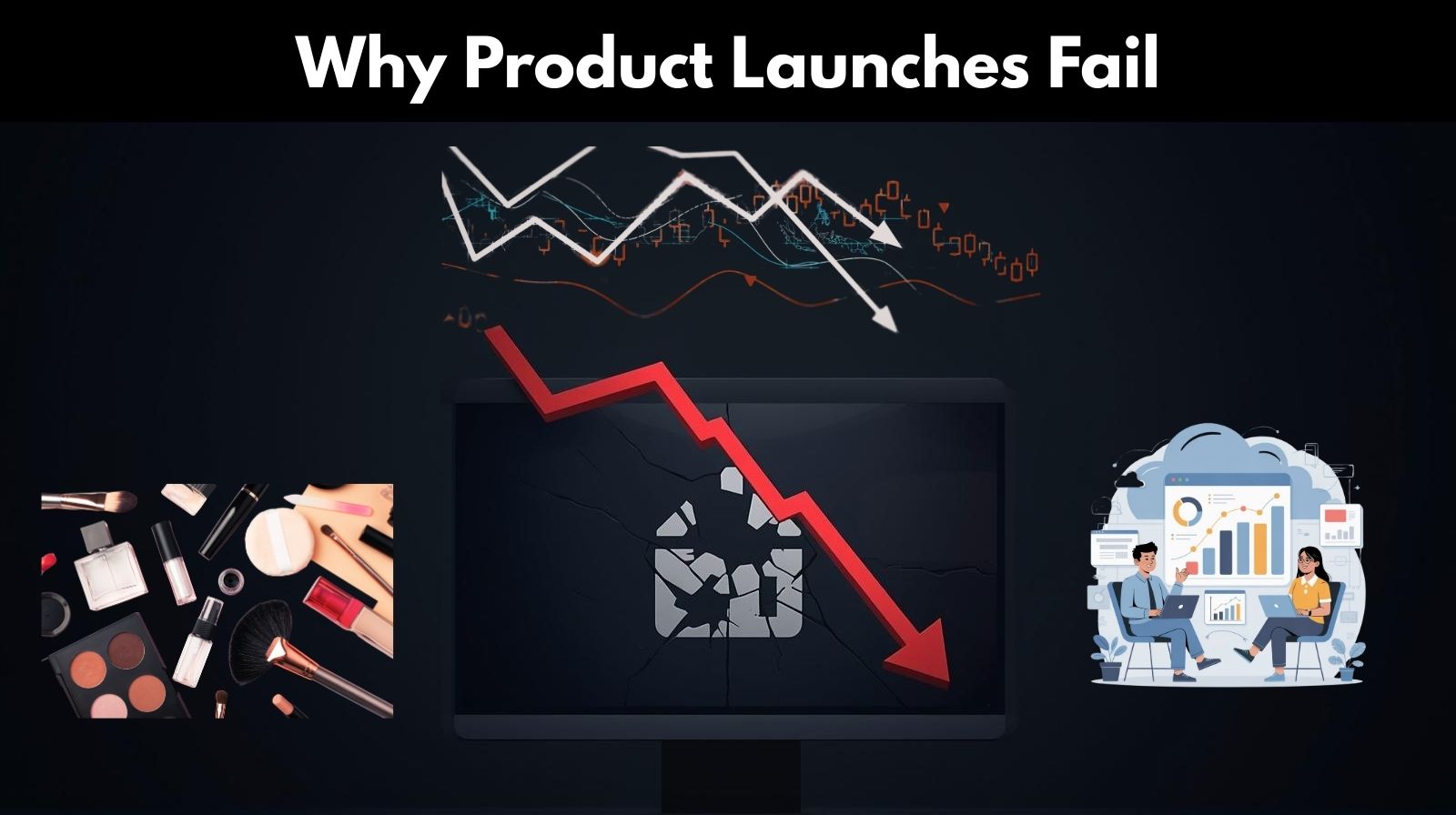
Why Product Launches Fail
Product Launches Let’s be honest.
Many product launches fail because the launch strategy is weak and people think their product is bad. Common mistakes during launching:
-
Launching without market research
-
Not understanding the target audience
-
No email list
-
No clear messaging
Marketing is not noise.
It’s communication.
Step for Product Launches
Now let us understand it in a simple steps:
1. Verify Your Idea
This is where many people skip ahead — and regret it later.
-
Is there real demand?
-
Who are my competitors?
Real-Life Example
If you want to launch a fitness app, check:
-
Are people complaining about existing apps?
-
Are they asking for simpler workouts?
Validation methods:
-
Run surveys
-
Create Instagram polls
-
Offer a beta version
-
Build a waiting list
-
Run small test ads
2. Target Audience Clearly
You cannot launch to “everyone.”
Instead, define:
-
Age group
-
Interests
-
Income level
-
Pain points
-
Online behavior
3. Craft a Clear Value Proposition
Why should someone care?
Not:
“We have great features.”
But:
“This product saves you 5 hours per week.”
See the difference?
People want solutions, not features.
4. Build Pre-Launch
Here is where successful product launches separate from failed ones.
Instead of launching silently, you:
-
Tease the product
-
Behind the scenes content
-
Create curiosity
-
Start an email waiting list
-
Offer early access
It is like announcing your wedding months before the big day. You do not surprise guests the morning of the event.
You build excitement.
Pre-Launch Tools:
-
Landing page
-
Email marketing
-
Social countdown
-
Beta testers
-
Free lead magnet
-
Webinar previews
5. Launch Plan Timeline
A proper product launch usually launch timeline:
60–90 Days Before Launch
-
Market research
-
Audience validation
-
Branding
-
Build email list
30 Days Before Launch
-
Teasers
-
Social content ramp-up
-
Email sequence planning
-
Influencer outreach
7–10 Days Before Launch
-
Announce launch date
-
Share proof
-
Countdown begins
Launch Day
-
Email blast
-
Social media announcement
-
Running ads
-
Live session or webinar
Post-Launch
-
Re-target ads
-
Customer follow-up
-
Collect reviews
-
Optimize sales
6. Use Multi-Channel Marketing
Depending only on social media is risky.
Algorithms change.
Accounts get restricted.
Use a mix of:
-
Email marketing
-
SEO blog content
-
YouTube videos
7. Analyze and Optimize data
Track:
-
Conversion rate
-
Email open rates
-
Cost per acquisition
-
Sales volume
-
Customer feedback
If something didn’t work adjust.
A product launch is not a one day event. It is a data-driven process.
Types of Product Launches
Not all launches are the same.
1. Soft Launch
Limited audience testing before a full public release.
2. Hard Launch
Big public announcement with full marketing push.
3. Beta Launch
Testing phase for feedback and improvement.
4. Evergreen Launch
Product available all year, marketed continuously.
5. Limited-Time Launch
Cart opens for a specific period only.
Each type fits different business goals.
Emotional Psychology Behind Product Launches
This part is powerful.
People don’t buy just because something exists.
They buy because of:
-
Urgency
-
Scarcity
-
Trust
-
Social proof
-
Authority
-
Community belonging
That’s why:
-
Limited bonuses increase sales.
-
Testimonials build confidence.
-
Countdown timers drive urgency.
But use these ethically. Never fake scarcity.
Trust builds long-term business.
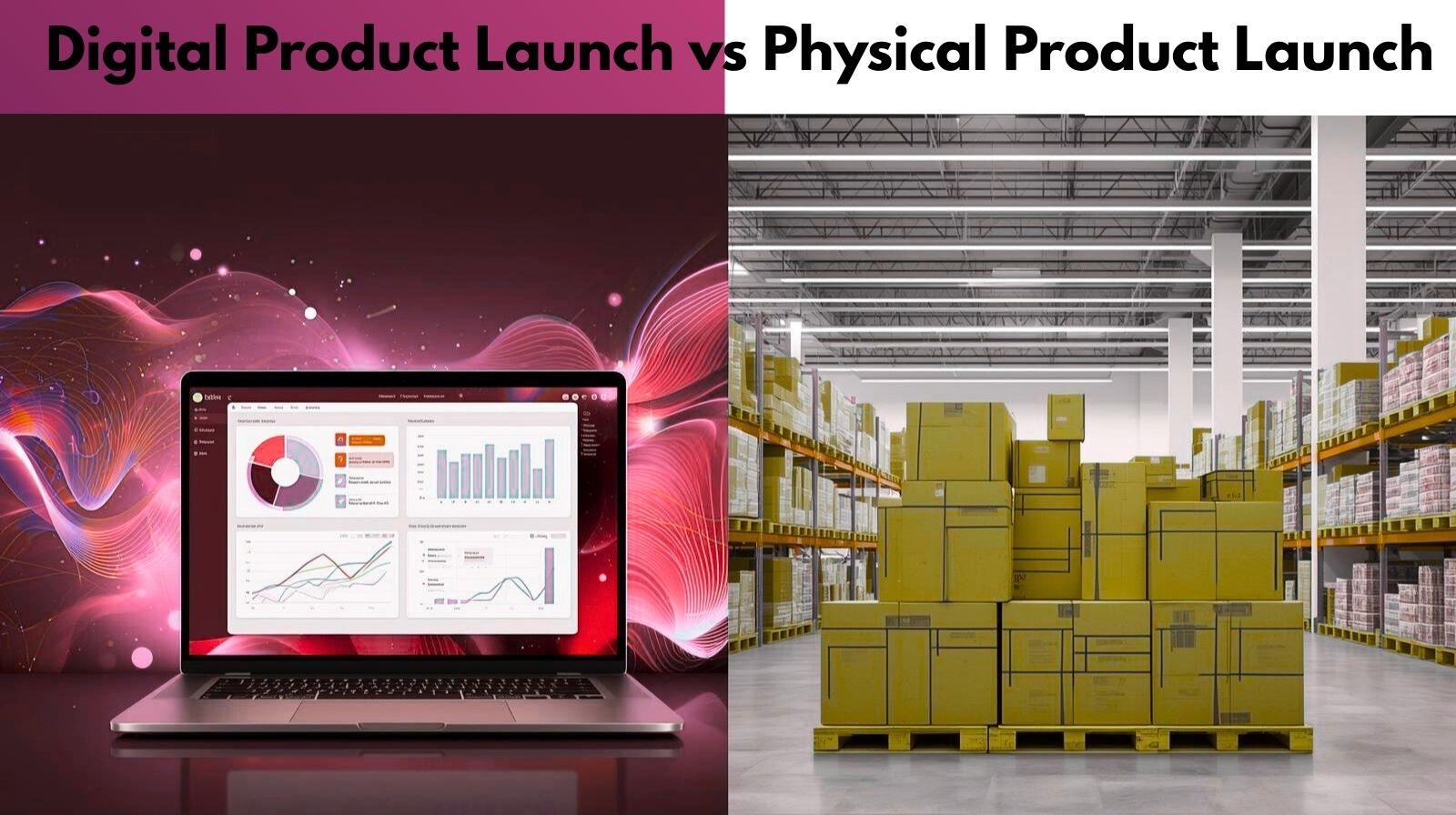
Digital Product Launch vs Physical Product Launch
Digital Products
-
Courses
-
E-books
-
Apps
-
Software
-
Membership programs
Advantages:
-
Low inventory cost
-
High profit margins
-
Scalable globally
Physical Products
-
Clothing
-
Gadgets
-
Beauty products
-
Food items
Require:
-
Logistics planning
-
Shipping management
-
Inventory forecasting
Each needs a different route.
Big Brands Product Launches
When big companies launch their product:
-
Teasers start months before.
-
Leaks create curiosity.
-
Influencers review early versions.
-
Media covers announcements.
-
Pre-orders open.
You don’t need their budget.
You need their strategy:
-
Build anticipation.
-
Control the narrative.
-
Create exclusivity.
-
Reward early buyers.
Common Product Launch Mistakes to Avoid
Let me save you from frustration:
-
Launching without an email list
-
Not testing the checkout process
-
Weak landing page copy
-
No testimonials
-
Pricing without research
-
Ignoring customer objections
-
Giving up after first slow day
Remember:
Some launches start slow but build momentum.
Budget for a Product Launch
Even small products launches need budget.
Consider costs for:
-
Branding
-
Ads
-
Email tools
-
Website hosting
-
Influencer collaborations
-
Design assets
Plan financially before launch.
Building Authority
Google values:
-
Experience
-
Expertise
-
Authoritativeness
-
Trustworthiness
How do you show that?
-
Share case studies
-
Show real testimonials
-
Provide educational content
-
Be transparent about your journey
-
Publish helpful blog posts
Authority attracts buyers naturally.
Post Launch Strategy
Your job does not end on launch day.
After launch:
-
Collect customer feedback.
-
Improve weak areas.
-
Offer upsells.
-
Retarget visitors.
Think long term sale, not one-time sale.
Expectations
Not every launch makes six figures.
Sometimes:
-
First launch teaches lessons.
-
Second launch improves results.
-
Third launch becomes profitable.
FAQs and Answers
Q. How long should a product launch?
Typically 5–14 days for limited launches. Evergreen launches run continuously.
Q. Do I need ads for successful product launches?
No, Organic strategies can work but ads accelerate visibility.
Q. Can beginners launch successfully?
Yes, if they validate demand and build trust first.
Q. Is email marketing necessary for product selling?
It is most powerful tools. Social platforms can limit reach, but email gives control.
Q. What first launch fails?
It is not failure. Analyze mistakes , adjust them, and relaunch.
Also Read
Hanse Mazak and Funny Scenes Movies: Why Comedy Films Make Us Laugh and Feel Better
E-Commerce – A Simple Guide for Beginners
Business Development Manager – A Simple and Complete Guide for Beginners
Final Results
Product launch is not just a marketing event. It is a reflection of your preparation, your patience. It is the moment where your effort becomes public. And that can feel sensitive.
Emails may not get the rate you expected. Sales might start slower than you imagined. Ads might need tweaking. That does not mean that your launch failed. This means you are in the real business World.
It is same as learning to cook a new dish for guests. At first time, you will probably check the recipe ten times. You will worry about the seasoning. But after cooking it sometimes, it becomes natural. Launching products works the same way. Your first launch teaches you more than any course ever could. Your second one becomes smarter.
A successful product launch is not rarely a luck. It is usually the result of audience building, clear marketing, and strong positioning. The successful businesses took years to make trust in market.
Revenue is not the only measure of a good launch. Sometimes a launch is successful because:
-
You built a qualified email list
-
You gained valuable customer feedback
-
You improved your offer clarity
-
You identified pricing issues
-
You strengthened your brand positioning
Those are long-term assets. Money follows systems.
One more thing don’t compare your launch to brands with massive teams and budgets. Big companies have marketing teams, analyze their data , copywriters, designers team, ad managers employs, and PR teams. If you are launching with a small team, your focus should be smart performance, not perfection. Simplicity often converts better anyway.