
Introduction: why BYD vs Wv feels like a big Deal in 2026
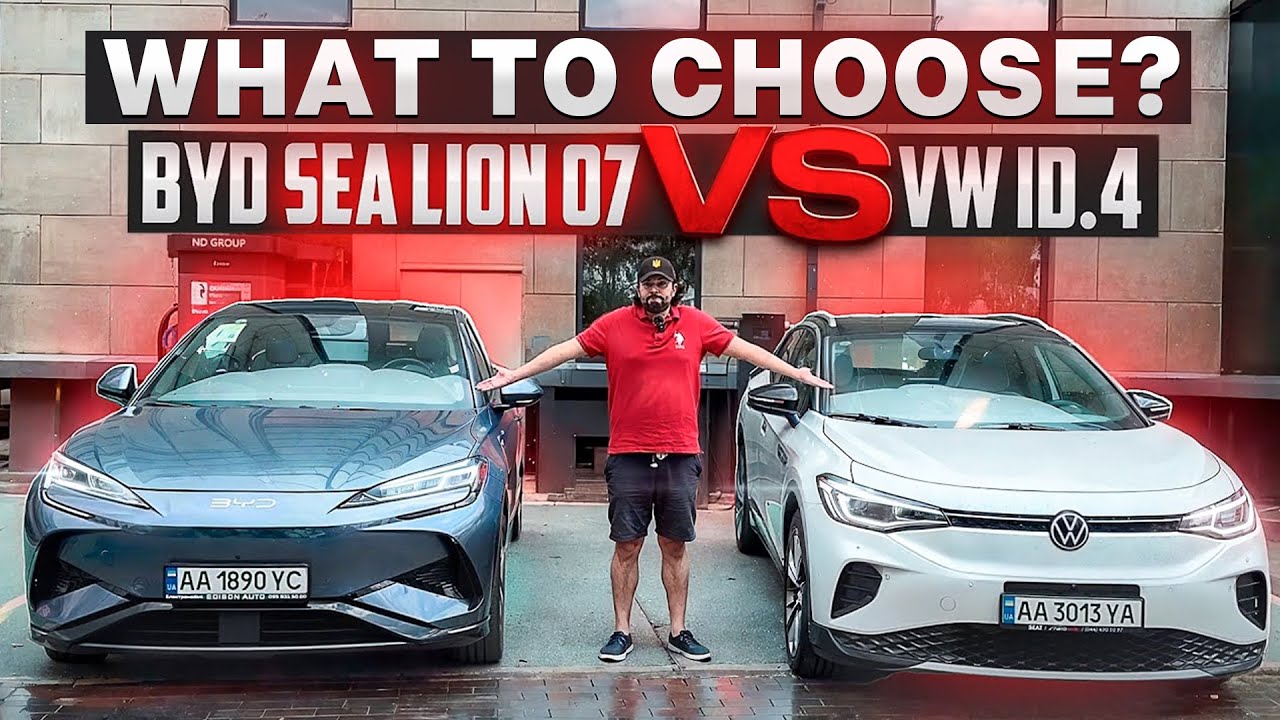
BYD vs VW 2026 Electric car battle technology and comparison. if you are been following the car world lately
you can probably feel it very thing is changing fast. petrol car car are the slowly stepping back and electric vehicle are the taking stage,
And in the Between of this long shift, one comparison to keeps coming up again and again: BYD vs VW in 2026.
But this is not just of a normal car comparison. It is the actually a story about two completely different ways of thinking about the future of driving.
This is the On one side, Can you have BYD, a fast-growing company built around the electric cars and battery innovation. in addition, On the other side, you have to this Volkswagen (VW), for the legendary German to automaker with decades of experience now fully for stepping into the electric era.
Think of it is like this:
BYD vs VW 2026 – Electric Car
- BYD feels like a fast-moving tech company that learns and improves quickly
- VW feels like an experienced master carefully adapting to a new world
Both are strong—but in many different ways.
That bis the exactly what makes BYD vs VW 2026 such an important topic.
What’s Really Happening in BYD vs VW 2026
In 2026 year, the electric car market is asking one big question:
Who will lead the future of electric mobility?
BYD vs VW 2026 – Electric Car
The Both BYD and VW are trying to answer it, but with the different strategies.
BYD is the expanding rapidly, focusing heavily on electric cars and battery technology. VW, meanwhile, is using its engineering experience, global presence, and brand trust to stay of competitive.
But this battle is not just about cars. It’s about:
- Technology
- Pricing
- Battery range
- Brand trust
- Global expansion
So when the people talk to about BYD vs VW, they are actually talking about the future of driving itself.
How to BYD Became So Strong So Fast
To the understand BYD vs VW 2026, you first need to understand BYD’s growth story.
Unlike traditional car brands, BYD did not start with the petrol engines and slowly shift. It focused early on electric vehicles and battery systems.
Why BYD is growing quickly
Here are the main reasons to behind its rise:
1. Battery of control
BYD produces its on batteries in which reduces cost and increases control over quality.
2. This Affordable EVs
very BYD models are designed for everyday users, not just luxury buyers.
3. Fast production scaling
It can quickly increase production to meet global demand.
4. EV-first mindset
From the beginning, BYD focused on electric mobility, not petrol cars.
In the simple words BYD was built for this era from day one.
Volkswagen(VW) in 2026-A Giant Adapting to change
Volkswagen of the one most trusted car brands in the world with decades of history in engineering safetyand global Manufacturing.
But the shift to Electric Vehicle is not easy even for a giant like Vw,
VW in 2026
VW is currently in a major transformation phase:
- Moving from petrol platforms to electric platforms
- Launching new EV models
- Upgrading technology systems
- Maintaining global brand trust
The challenge is simple: VW has experience, but BYD is moving faster in the EV race.
Simple Difference Between BYD and VW
Let’s make it very easy.
In BYD vs VW 2026, the difference comes down to mindset:
- BYD was built for electric cars from the start
- VW is adapting after years of petrol car dominance
It’s like:
- Someone who learned digital skills early
- Someone who is now upgrading from traditional systems
Both can succeed—but their journeys are different.
Technology in BYD vs VW 2026
BYD Technology
- Strong battery integration
- Cost-efficient EV systems
- Fast innovation cycles
- Practical and simple design

Technology in BYD vs VW 2026
VW Technology
- High engineering quality
- Strong safety systems
- Smooth driving experience
- Premium build quality
Simple takeaway:
- BYD focuses on speed and value
- VW focuses on quality and refinement
Both approaches make sense depending on the driver.
The Real-Life Example ( Is Very Simple Understanding)
Think about smartphones:
- BYD = feature-rich phone at a lower price
- VW = premium phone with strong brand trust
Both do the job—but attract different types of users.
That’s exactly how BYD vs VW 2026 works in real life.
How They Compete in the Market
BYD strategy
- Affordable EVs
- Rapid global expansion
- Strong presence in Asia
- High production volume
VW strategy
- Premium electric vehicles
- Strong presence in Europe and global markets
- Gradual EV transition
- Long-term brand positioning
So while BYD moves fast, VW moves carefully and strategically.
Who Buys BYD vs Who Buys VW?
BYD attracts:
- Budget-conscious EV buyers
- First-time electric car users
- Value-focused customers
VW attracts:
- Brand-conscious buyers
- Comfort and refinement lovers
- Long-term reliability seekers
BYD vs VW 2026 – Electric Car
So it is not just about cars—it’s about lifestyle and priorities.
Why This Competition Matters
The importance of BYD vs VW 2026 is bigger than just two companies.
It shows how the entire automotive industry is changing:
- Traditional brands are adapting
- New companies are growing fast
- Electric cars are becoming the new normal
This is not just competition—it’s transformation.
Real-World Driving Feel
BYD Driving Feel
- Quick response
- Smooth city driving
- Very easy to handle
Feels light, simple, and effortless.
VW Driving Feel
- Stable at high speeds
- Heavier, more solid feel
- More traditional driving experience
Feels controlled, balanced, and familiar.
Range and Battery Reality
BYD
- Strong range for the price
- Efficient battery usage
- Value-focused design
VW
- Consistent real-world performance
- Balanced efficiency
- Premium battery systems
Simple summary:
- BYD = more value for money
- VW = more stability and consistency
Charging Experience
BYD
- Fast charging support improving quickly
- Convenient home charging
- Cost-efficient ownership
VW
- Strong global charging compatibility
- Reliable fast-charging ecosystem
- Premium charging experience
Interior and Comfort
BYD
- Modern and tech-heavy
- Large digital screens
- Minimal physical buttons
Feels like a smart device on wheels.
VW
- Clean and simple layout
- Driver-focused design
- Better physical control feel
Feels more traditional and familiar.
Pricing Difference
BYD
- Affordable EV options
- Strong value for money
- Focus on mass adoption
VW
- Higher pricing in many markets
- Premium brand positioning
- Focus on long-term trust
Trust Factor
BYD
- Growing global trust
- Strong EV reputation building
- Rapid expansion
VW
- Long-standing global trust
- Strong safety reputation
- Established brand loyalty
Future of BYD vs VW Competition
BYD direction:
- Global expansion
- Better AI and software systems
- Improved battery efficiency
- Aggressive pricing strategy
VW direction:
BYD vs VW 2026 – Electric Car
- Strong EV platform development
- Expansion of charging networks
- Premium EV focus
- Full electrification transition
Final Conclusion
At the end of the day, BYD vs VW 2026 is not about finding a single winner.
It’s about understanding two very different approaches:
- BYD represents speed, affordability, and rapid innovation
- VW represents trust, refinement, and long-term stability
In addition, Both are the shaping the electric future in their own way.
And truth is the simple—the EV story is still being written, and we are only in the middle of it.
More Factors That Are Changing BYD vs VW 2026
To the really understand BYD vs VW 2026, you can not just for look at cars or specs. You also have to look at the hidden factors that are shaping buyer decisions in real life.
Let’s go deeper.
1. Software and Smart Features Battle
Modern EVs are not just cars anymore—they are becoming “computers on wheels”.
BYD in software
- Focus on in-house smart systems
- Frequent updates improving features
- Simple user interface for mass users
- AI-based driving assistance growing fast
This Car BYD is trying to make cars feel like smartphones—easy, fast, and constantly improving.
VW in software
- More structured, safety-focused systems
- Strong integration with European standards
- Better stability in long-term software use
- Slightly slower update cycles but more tested
VW is more careful. It prefers stability over fast experimentation.
Simple difference:
- BYD = fast software evolution
- VW = stable, tested software experience
2. Global Expansion Strategy
Another big part of BYD vs VW 2026 is where each brand is growing.
BYD expansion
BYD is aggressively entering:
- Asia-Pacific markets
- Middle East regions
- Latin America
- Select European countries
Its goal is simple: become a global EV leader quickly.
3. Maintenance and Ownership Cost
This is something real buyers care about more than anything else.
BYD ownership cost
- Lower servicing cost in many regions
- Fewer mechanical parts (less maintenance)
- Battery-focused service network growing
- More affordable repairs overall
This makes BYD attractive for everyday users.
VW ownership cost
- Higher maintenance cost in general
- Premium service structure
- More advanced systems = higher repair cost
- Strong but expensive long-term support
VW feels more “premium ownership experience”.
4. Safety and Driving of Assistance
Safety is of a big decision factor in BYD vs VW 2026.
BYD safety approach
- Fast-growing safety tech
- AI-based driver assistance systems
- Strong focus on affordability + safety balance
VW safety approach
- Long-established crash safety systems
- High Euro NCAP standards
- Strong structural engineering
- More tested over decades
VW still has an advantage in proven safety reputation.
5. Design Philosophy Difference
Cars are not just machines—they are also emotions.
BYD design style
- Futuristic and bold design
- Sharp lines and modern lighting
- Tech-inspired interiors
- Youth-focused appearance
VW design style
- Clean, simple European design
- Conservative but premium look
- Focus on timeless styling
- Less flashy, more elegant
Simple comparison:
- BYD = modern and futuristic
- VW = classic and timeless
6. Resale Value Impact
This is something many buyers forget until later.
BYD resale trend
- Still developing global resale stability
- Strong in growing EV markets
- Improving as brand trust increases
VW resale trend
- Historically strong resale value
- Better long-term brand confidence
- Stable demand in global used car market
VW still leads in resale trust factor.
7. Charging Infrastructure Reality
EV success depends heavily on charging networks.
BYD ecosystem
- Expanding fast but uneven globally
- Strong in Asia and developing regions
- Growing partnerships for charging
VW ecosystem
- Strong integration with global charging networks
- Better European infrastructure support
- Focus on universal compatibility
VW benefits from long-term global system integration.
8. User Experience Difference
At the end of the day, BYD vs VW 2026 comes down to how the car makes you feel daily.
BYD experience
- Easy to use
- Tech-focused dashboard
- Fast response systems
- Feels modern and simple
VW experience
- Smooth and controlled
- Premium feel inside cabin
- More traditional driving comfort
- Feels stable and familiar
9. Emotional Buying Factor
This is the part people don’t always talk about—but it matters a lot.
BYD emotion
- Feels like choosing the future
- Excitement about new technology
- Value-driven satisfaction
VW emotion
- Feels like choosing trust
- Comfort in brand legacy
- Long-term confidence
Final Expanded Insight
When you combine everything, BYD vs VW 2026 becomes more than a car comparison.
It becomes a reflection of two buyer mindsets:
BYD mindset:
“I want new technology, better value, and modern EV experience.”
VW mindset:
“I want trusted engineering, comfort, and long-term stability.”
Final Thought
There is no single winner in BYD vs VW 2026.
Because both brands are solving different problems:
- BYD is solving affordability + fast EV adoption
- VW is solving trust + premium long-term driving experience
And in the real world, both approaches are needed.
That’s why this competition is not ending soon—it’s only getting started.